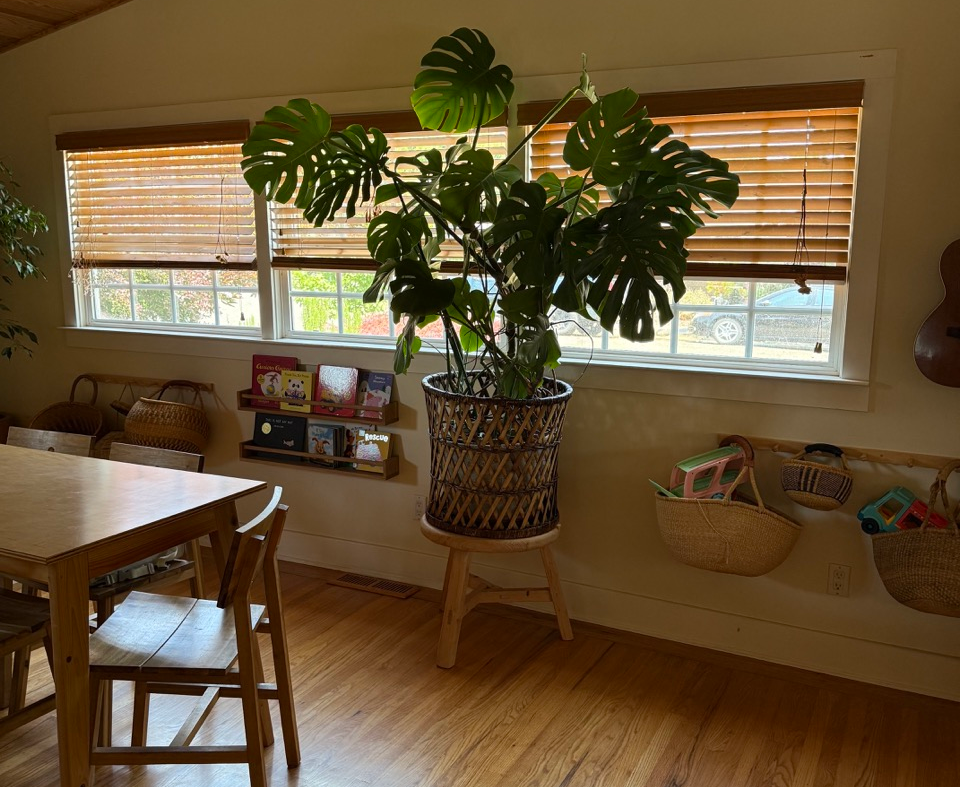
How to Set Up a Play Space That Encourages Independent Play
Creating a play space that fosters independent play is one of the best ways to support your child’s development while also giving yourself a break from constant supervision of your children. By setting up an environment where your child can explore safely and engage deeply, you encourage creativity, confidence, and problem-solving skills. Here are some ways to create a play space that promotes independence and autonomy.
1. Establish a “Yes” Space
A “yes” space, as advocated by Magda Gerber and the RIE approach, is a completely safe and enclosed area where your child can move freely without needing constant adult intervention. Every accessible object should be safe and developmentally appropriate, allowing the child to explore confidently and without distraction. This means securing heavy furniture to walls, ensuring dresser drawers can’t be pulled all the way out, and removing potential hazards. The goal is to create a space so safe that if you needed to step away briefly, your child would remain unharmed and engaged in their play. When children feel secure in their environment, they’re able to focus deeply and independently without constant redirection or interference.
2. Offer Passive, Open-Ended Toys
Independent play thrives when children are given open-ended toys that allow for creativity and problem-solving. Instead of flashy, battery-operated toys that entertain passively, opt for simple items such as:
- Wooden blocks
- Dolls and figurines
- Play silks
- Stacking cups
- Age-appropriate art supplies
These types of toys allow for limitless possibilities, keeping your child engaged for longer periods. Bear in mind that art supplies should be tailored to the child’s age and development, and it’s ok to only offer certain artistic options when you have the bandwidth to supervise.
3. Store Extra Toys for Rotation
Instead of overwhelming your child with too many choices, keep some toys stored away in a closet or dresser and rotate them periodically. When fewer toys are available, children tend to play more deeply and creatively with what they have. This also keeps the space tidy and easier to maintain.
4. Maximize Open Space for Movement
Children need space to move, explore, and express themselves physically. Prioritize open floor space for activities like rolling, climbing, dancing, and building. If space allows, consider adding:
- A soft rug or mat for floor play
- A low climbing structure or foam blocks
- A small movement area with space for yoga or dancing
A clutter-free environment encourages movement and play without unnecessary distractions.
5. Ensure Everything is Safe and Developmentally Appropriate
For independent play to truly flourish, your child should be able to navigate their play space without constant intervention. Make sure everything they can reach is safe and appropriate for their age. Avoid items that require frequent adult supervision and instead provide materials that empower them to explore confidently.
6. Offer Books—But Not Too Many
Books are a wonderful addition to any play space, but having too many out at once can be overwhelming. Instead, curate a small, accessible selection and rotate them periodically based on your child’s interests. Consider having an area in the house where library books are on display and rotated out when you exchange books at the library. This encourages engagement and helps them fully appreciate the books available. Children love to hear the same books repeatedly – this helps with their understanding of language and the world. But they also thrive on novelty, and library allows for new content without constantly buying new books.
7. Observe and Adapt to Your Child’s Interests
Independent play is most successful when the environment reflects your child’s interests. Observe what they gravitate toward and introduce new materials or rearrange the space accordingly. If they’re suddenly fascinated by stacking objects, add some wooden blocks or nesting cups. If they love pretend play, consider setting up a small play kitchen or doll area or basket of fabrics.
Final Thoughts
Creating a play space that encourages independent play is all about balancing safety, simplicity, and engagement. By designing an environment where your child feels secure and inspired, you help them develop creativity, confidence, and focus—all while giving yourself more breathing room in the day.
Need help setting up your ideal play space? I offer consultations to create personalized, functional designs that work for your home and lifestyle.